Disclaimer. The Shinkansen Ledger is unofficial hobby writing. It is not a Japan Railways site and not a ticket agency. I do not sell tickets, take fares, or book seats for readers. Service names appear only so you can recognize them. They do not imply a partnership or endorsement. Confirm fares, seats, and refunds with the carrier before you pay. The site is funded by donations.
How I keep Shinkansen bookings from going sideways
Corridors, departure boards, early-bird windows, tourist passes, and station desks — written as a New Yorker’s hobby notes after riding the same lines more than once.
I treat a Shinkansen booking the way I treat a ledger: first the company that actually runs the train, then the product name on the ticket, then the refund line in small type. Japan’s high-speed network is not one storefront. Tokaido, Sanyo, and Kyushu sit in one reservation family. Tohoku, Hokuriku, Joetsu, and Hokkaido sit in another. West Kyushu toward Nagasaki is a third pocket that will not appear as “Tokyo to Nagasaki on a single reserved seat” if you search only from a Tokaido screen.
The Shinkansen Ledger is my unofficial notebook. I am Natasha Rimsky. I write from 257-281 Water Street in New York. I am not Japan Railways, not a travel agency, and not a reseller. I do not take card numbers, I do not issue tickets, and the contact form is not a checkout. The pages stay online because readers sometimes send a donation toward hosting. If a company name appears below, it is a label so you can recognize a desk you already know. It is not a partnership and not a link.
Corridors first, train names second
Start with the operator cut, not the marketing name of the train. Tokaido–Sanyo–Kyushu is the spine from Tokyo through Nagoya, Kyoto, Osaka, Hiroshima, Hakata, and Kagoshima. Nozomi, Hikari, and Kodama run the core. Mizuho, Sakura, and Tsubame take over as the line turns south. In my own notes, most people who book that spine on a phone end up in a product called Smart-EX. One account, one QR code, one refund logic — that is the practical reason the name keeps showing up in this ledger, not because I recommend a shop.
East Japan is a different ledger. Hayabusa and Hayate cover Tohoku and Hokkaido. Tsubasa and Komachi peel toward Yamagata and Akita. Toki runs Joetsu. Kagayaki, Hakutaka, and Tsurugi cover Hokuriku. Residents usually sit in the ekinet family. Visitors more often meet an English booking screen that still belongs to the same eastern company, not to the Tokaido app. West Kyushu toward Nagasaki lives on the Kyushu side. I have watched travelers search “Tokyo–Nagasaki, one reserved seat” on a Tokaido screen and come away empty-handed even when seats existed on the western connection.
Hokuriku now ends the high-speed portion at Tsuruga. Thunderbird and Shirasagi limited expresses take over toward Osaka and Nagoya. Those trains are not Shinkansen. A station desk can sometimes print a through ticket. A phone booking often cannot. If your trip reads “Tokyo–Kanazawa–Kyoto,” write down where the high-speed segment actually ends. Refund fees are calculated by segment, not by the story you told yourself at the hotel.
East Japan and the Tokaido spine do not share one reservation desk. Treat the river as a company border, not scenery.
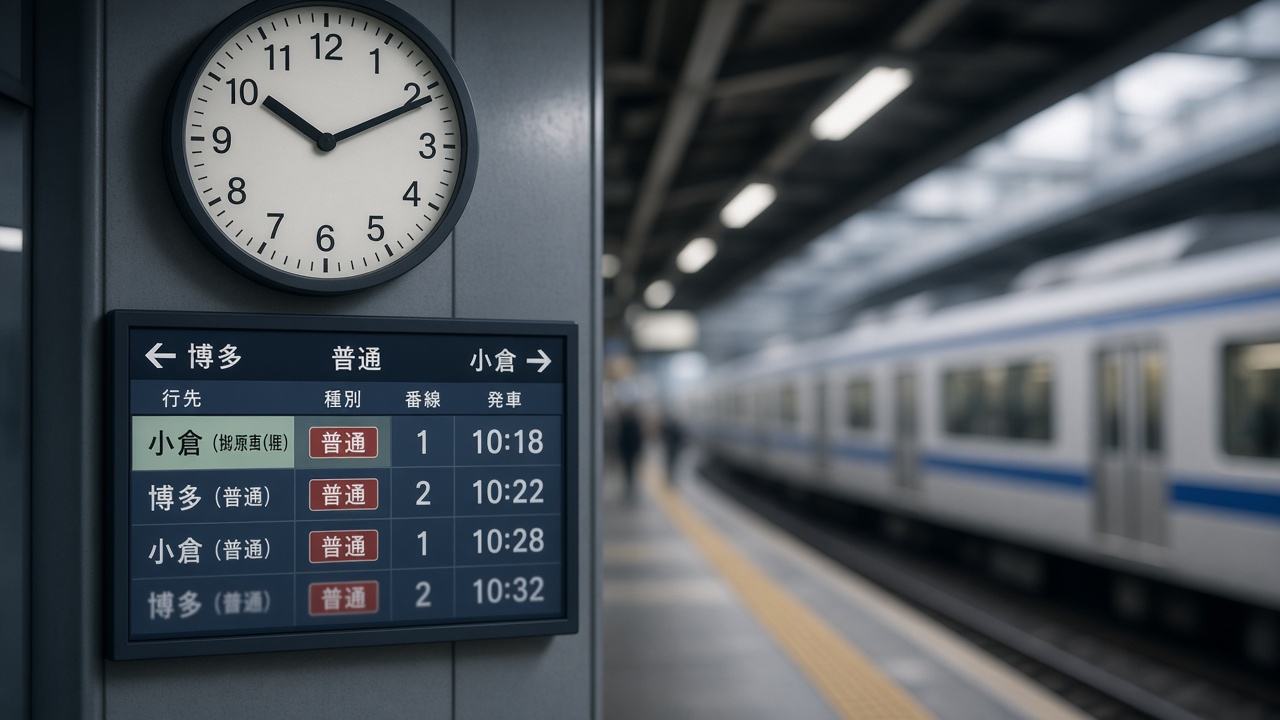
Read more than one departure board
Live slots and leftover reserved seats are safest on the carrier’s own search. City-to-city planners are excellent at stitching a subway transfer onto the end of a ride. They are weaker at Japan Rail Pass rules that shut Nozomi out, and they often hide the early-bird inventory that actually sets the price. On Tokaido at rush hour, Nozomi can leave every few minutes. Kodama can add an hour you did not budget.
If you hold a points account as a resident, the next Nozomi is not always the rational buy. I look first at whether a 21-, 14-, or 7-day early-bird seat is still sitting on a slightly later train. If you hold a tourist pass, hunting a forbidden Nozomi at a machine twenty minutes before departure is how people miss the train they could have reserved on Hikari or Sakura. Year-end, Golden Week, and Obon open sales about a month ahead. The useful morning departures can vanish in a few hours. I treat those calendars as inventory events, not as “see what the station has tomorrow.”
A planner app can show a beautiful connection and still miss a pass restriction or an early-bird cutoff.
If you live in Japan
Residents usually do better on official channels. That is not loyalty. It is price and refund math. On the Tokaido side I register with a Japanese email, bind a card or IC, and look for the early-bird rungs labeled 21, 14, and 7. Cheaper almost always means tighter refunds. Some stretches allow tap-in once an IC is linked. Underground corridors kill signal, so I keep the QR in the photo roll, not only inside the live app.
East Japan is ekinet. A View Card can earn points; some Tohoku rides can be paid with those points. Same-day fallbacks are reserved-seat machines and Midori-no-madoguchi desks. Car changes, adding a child, or a messy limited-express connection still belong at a human window. Unofficial sites that promise “resident fares” to visitors are, in my notes, either a markup desk or a card-fishing page. I do not list them and I do not send readers there.
I still write the operator, the product name, and the refund line before I tap pay. The notebook is the point of this site.
If you are visiting
A Japan Rail Pass is for non-residents and covers a wide map, but the basic pass usually excludes Nozomi and Mizuho. You either buy those seats separately or you ride Hikari and Sakura. A city IC card is not a reserved Shinkansen seat. It is urban fare. I have watched visitors tap an IC at a Shinkansen gate and then argue with a machine that never promised them a reserved car.
Tokaido-side online booking sometimes accepts a passport and a foreign-issued card. If the bank refuses 3-D Secure, switching cards is faster than hunting a “workaround.” East Japan keeps an English visitor screen. Travel desks such as KKday sell vouchers or send an e-ticket. Language support is the strength. Markup and exchange hours are the cost. I compare the final yen total, not the discount badge on the first screen. I do not link out. If you use a desk, you already know how to find it.
Visitors should match the passport spelling on the booking, then check voucher exchange hours before the first reserved train.
What a “promo” actually is
Railway companies almost never run Western-style promo codes. The official savings I keep seeing are early-bird rungs, off-peak calendars, child fares, some round trips, and points. A coupon from a messenger app will not stack on top of a 21-day early-bird. You either still fit the window or you buy a regular reserved seat. Early-bird refunds are harsher than ordinary reserved seats. That is the price, not a glitch.
Travel desks sometimes mail coupons. Combining those with an “early fare” sold through the same desk is rare. A train-plus-hotel bundle needs a second look: is the seat already reserved, or is it an exchange right with a clock on it? A “private code” in a chat is not a carrier promotion. Legitimate discounts print on the payment screen of the company that will actually run the train.
Where the apps come from
I only install booking apps from the App Store or Google Play. The Tokaido–Sanyo–Kyushu reservation, change, and QR flow lives in an official app named Smart-EX. In the store I check that the publisher reads as a railway brand. East Japan has its own app for eastern tickets and train status. WESTER is the name people use on the West Japan side. Transfer planners are strong at connections and sometimes grow a purchase button; if they do, I read who the issuer is before I store a card.
Forum “modded” copies are how card numbers walk away. If a foreign store account will not open the Japanese listing, the browser version of the same product usually books the same seat. The difference is how the QR is stored, not the fare. I write app names so you can match them against each company’s own notices. I do not advertise them and I do not paste store links.
Cabin Wi-Fi drops. I keep the QR and the booking confirmation in the camera roll before the train leaves the platform.
Small edges that wreck a day
Visitor fares want the Roman-letter name to match the passport. Oversized bags on Tokaido need a reserved oversized-baggage space; unbooked cases can be turned away from the end-of-car floor. Cabin Wi-Fi is uneven, so the QR lives in Photos. A “Fuji-side window” in peak season is a lottery. Direction and clock matter more than the postcard.
I line the conditions up. The last rule still belongs to the carrier. Before you pay, reread the early-bird window and whether your pass allows that Nozomi — on the screen that will charge you. This site is a hobby notebook, not a hidden shop. How I keep the lights on is on the Donate page.
Unofficial desk notes
The table is my personal sorting, not a ranking of shops. Names are labels. There is no partnership and no sales agency. Official desks often win on price and refunds. Travel desks win on language and coupons. Station windows win on the morning a connection collapses.
No desk fee. You still need time, a passport, or a pass.
None. A planner app is enough for the clock.
Tokaido-side online
Unofficial note
Fits: Tokaido, Sanyo, Kyushu
Support: station and app
East Japan online
Unofficial note
Fits: Tohoku, Hokuriku, Joetsu and north
Support: help line and window
Travel desks
Unofficial note
Fits: visitors without a Japanese card
Support: multilingual chat
Station window and machine
Unofficial note
Fits: broken connections and same-day changes
How I tell app names apart
Tokaido and Sanyo
App Store, Google Play
Search Smart-EX and read the publisher. Clones that promise “free tickets” are not the carrier.
East Japan
App Store, Google Play
Start from East Japan’s own app notice, then open the store listing. Similar icons are common.
West Japan
App Store, Google Play
WESTER is the name I keep in this ledger. I still install it only from Apple or Google.
Transfer planners
App Store, Google Play
Strong for clocks and transfers. If a ticket button appears, read who issues the fare.
This is a hobby
There is no hidden product behind the contact form. The articles stay free. Server and domain bills are covered by donations. My name, street address, and phone number sit on the About page and in the bar above every article.